A useful monitoring network starts from precise questions: what to measure, where, how often, and how to turn the readings into a signal someone will act on. TT designs sensor networks, often with its own instruments, firmware and software, and builds the dispersion models that link sources to their effects on the ground.
Problems we solve
A motorway operator has to check air and water quality along a new route. An airport has to estimate the emissions of its development scenarios for the environmental impact assessment. A building site or a crushing plant has to show that dust is under control. A contractor working in a railway tunnel needs to know at all times whether the air is safe. A government has to choose a reference method for checking emissions from industrial plants.
Services
We design and build monitoring networks for air pollutants, PM10 and PM2.5, water quality and levels, weather parameters and noise. We run dispersion models for the environmental impact assessments of airports, motorways and building sites. We develop early warning and real-time monitoring systems with embedded web interfaces, and methods for checking emissions from stationary sources.
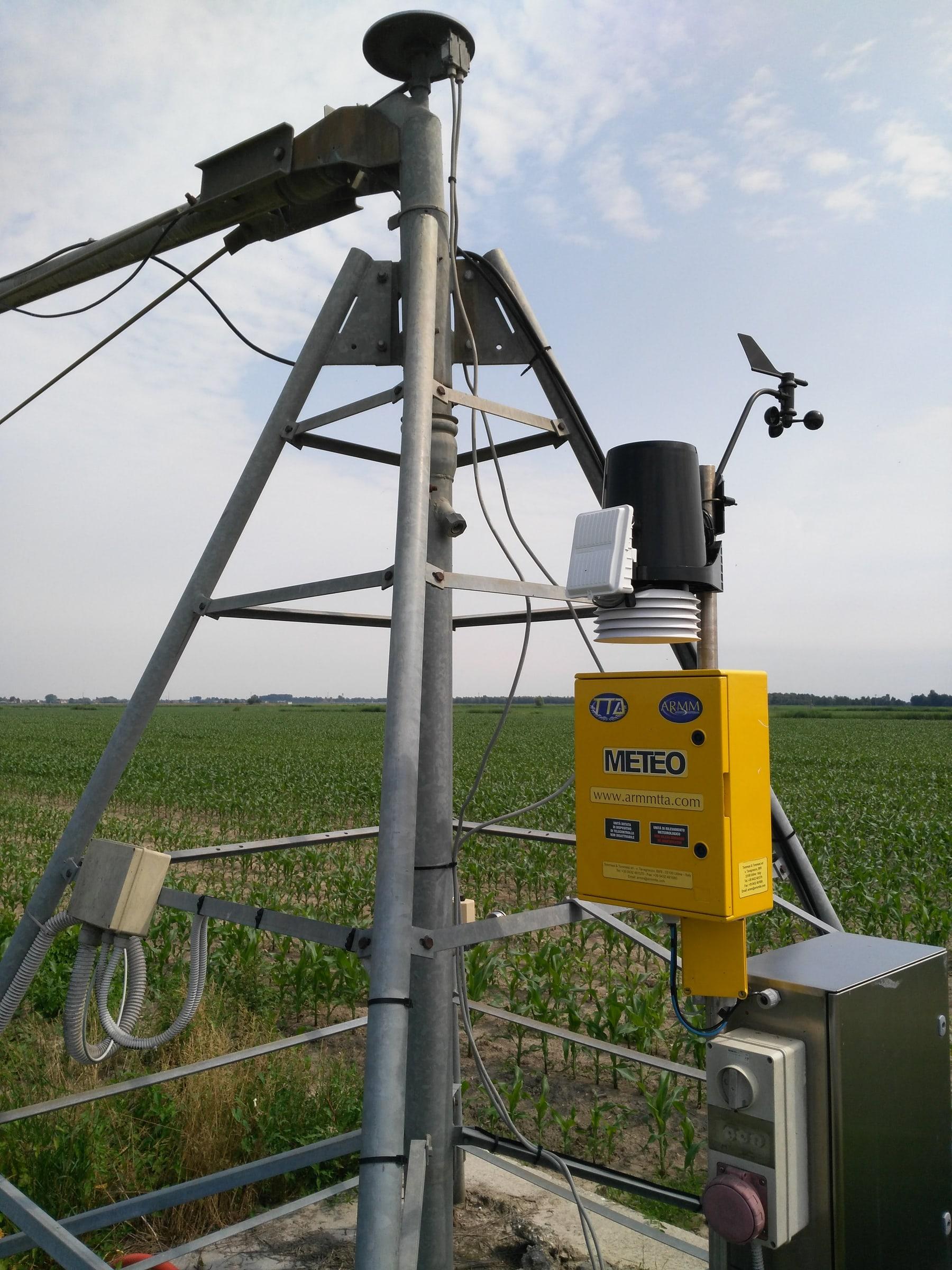
Automated weather station
Methods and tools
For atmospheric dispersion we use AerMod, CalPuff and EDMS, with our own tools linking GIS data to the models. On the measurement side we design sensors, firmware and software; TT developed a solar shield built to WMO specifications. For emission control we have worked with hyperspectral imagery from satellites and drones and with visual methods based on EPA 82.
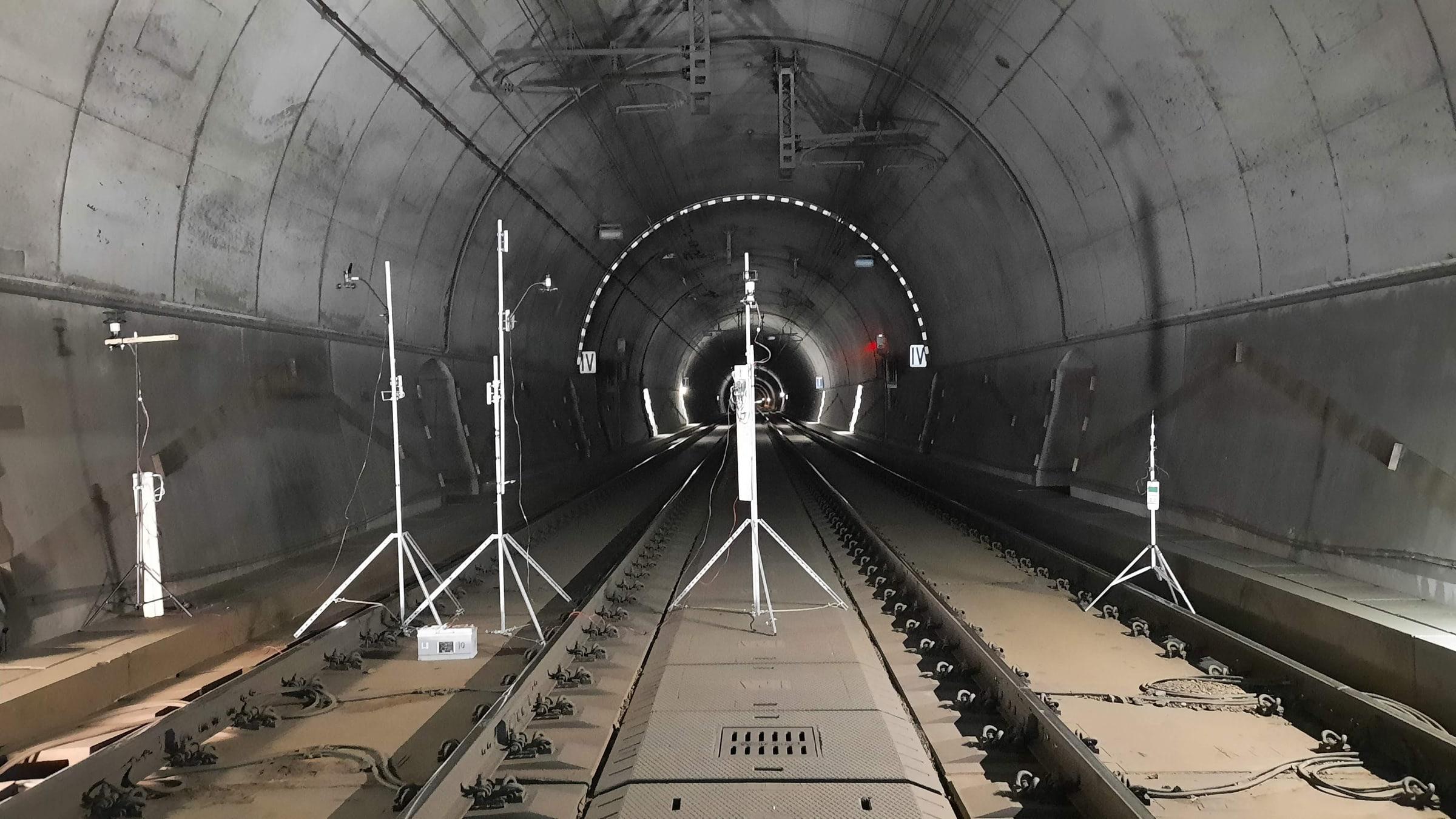
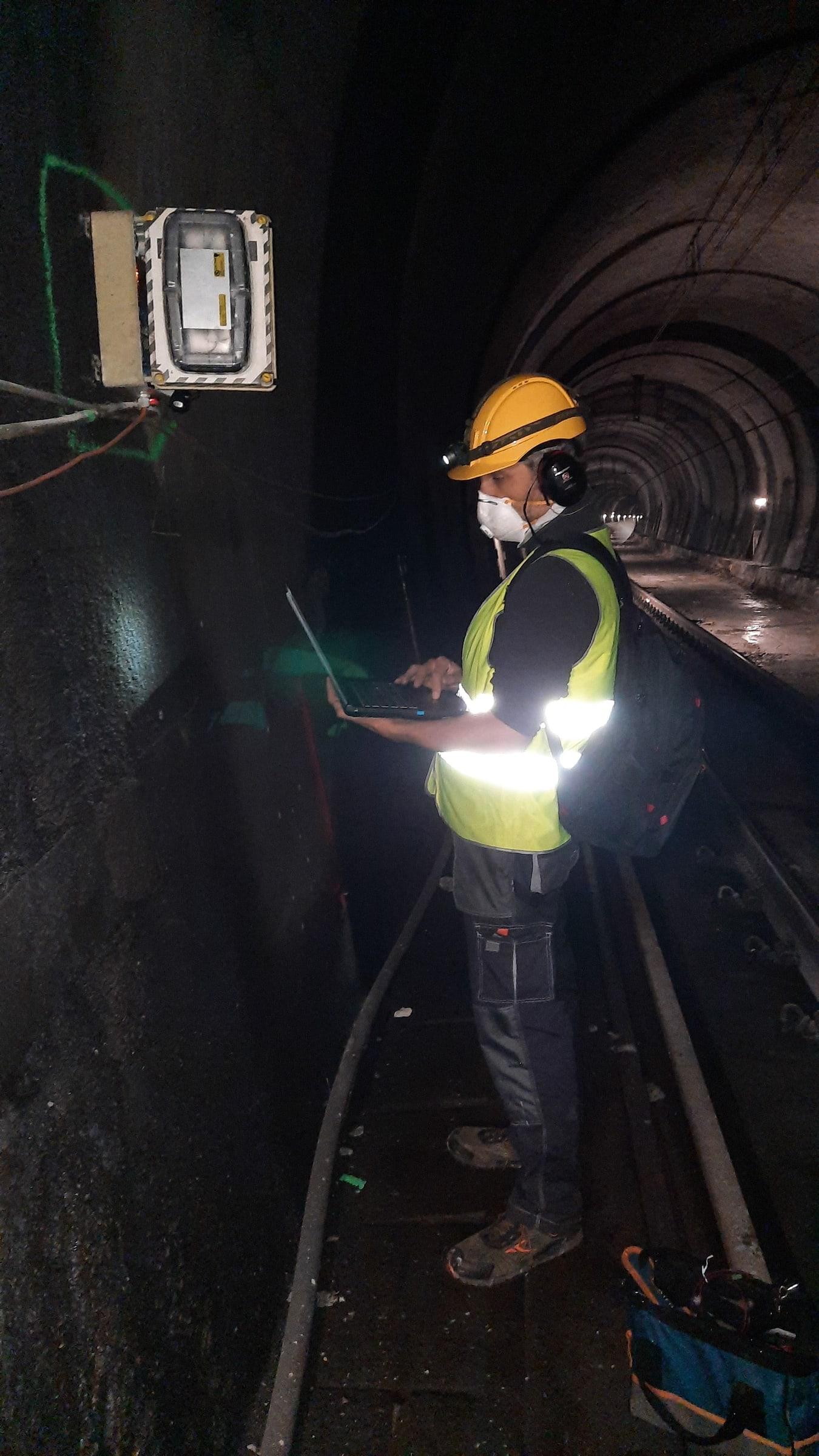
Wind profile characterisation in a tunnelMeasurements in a tunnel
Reference projects
Air and water monitoring network around Gorizia (Autovie Venete). 6 fixed air quality stations and 6 for PM2.5 and PM10, for 131,300 samples, plus 594 bryophyte samples; for water, 1,020 surface and 852 groundwater samples, for 1,872 laboratory analyses.
Early warning for railway tunnel ventilation (Cenedese S.p.A.). Systems that determine the available air speed along the "Campiolo" and "Zuc dal Bor" tunnels during construction, for worker safety, and research with the University of Udine on a model of air speed as trains pass.
Output of 110 PV plants (EOS Puglia). A sensor network to check in real time the output of plants in southern Italy with more than 4 GW of combined capacity.
Synchronous noise monitoring network for the NBA.Case study.
Stationary-source emission monitoring, Bosnia and Herzegovina (UNDP). Gap analysis, a reference method written into the federal rulebook, and methods based on hyperspectral imagery.
Other work: air quality models for the EIAs of Treviso, Forlì and Elba airports and of the A28 motorway near Conegliano; air quality monitoring at Verona Airport with fixed noise and weather stations; particulate networks for Meteopoint at Remanzacco, Zero Branco and Cavallino; real-time noise monitoring systems for Scantek and SAGE in the United States. The real-time networks along the A28 and A4 motorways, designed with hundreds of water sensors, belong to the company record.
Design of a monitoring network with 6 permanent air quality stations (CO, NO, NOx, SO2, PAH, benzene and O3) and 6 permanent PM2.5 and PM10 stations, totalling 131,300 samples, plus 594 bryophyte samplings at 11 locations. For water, 1,020 surface water samplings at 23 locations and 852 groundwater samplings in 19 wells, for 1,872 laboratory analyses.
Design, implementation and management of an early warning system for construction and maintenance works in the Zuc dal Bor railway tunnel, determining the available air velocity along the tunnel to guarantee breathable air and worker safety.
Design, R&D lead and production management of a sensor network for real-time assessment of PV production efficiency at 110 photovoltaic power plants in southern Italy, with more than 4 GW of combined power.
Energy transition and energy communitiesMonitoring networks and air quality
R&D project for a distributed, synchronous network of noise monitoring stations. Project and R&D team management, hardware and software specifications, prototyping, software development and the certification process.
Monitoring networks and air qualityEnvironmental noise and acoustics
International technical consultant for a reference method to monitor emissions from stationary sources: gap analysis, formulation of the optimal method and its integration into the federal Rulebook. Developed an automated visual method based on EPA 82 and led the team on both technical tasks.
Monitoring networks and air qualityTechnical assistance to institutions