

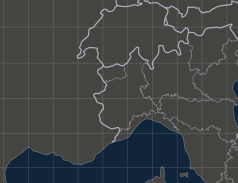
The challenge
An international airport needs a continuous picture of the noise it causes in the surrounding area. The Environmental Noise Directive 2002/49/EC (END) requires the operator to produce a strategic noise map and an action plan in every five-year round. The measurements must be reliable, the model inputs checked, and the results explainable to local authorities and residents.
The approach
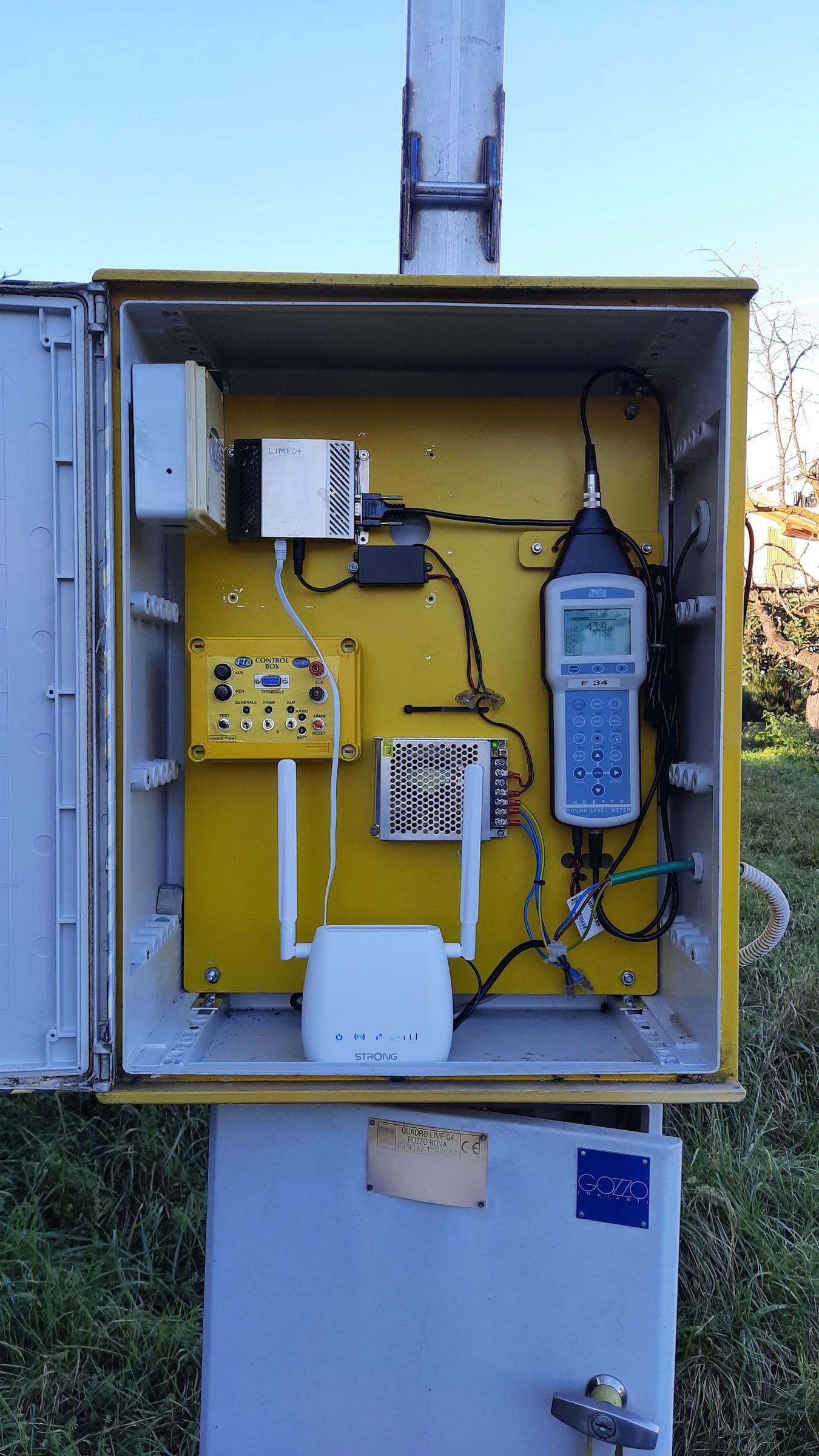
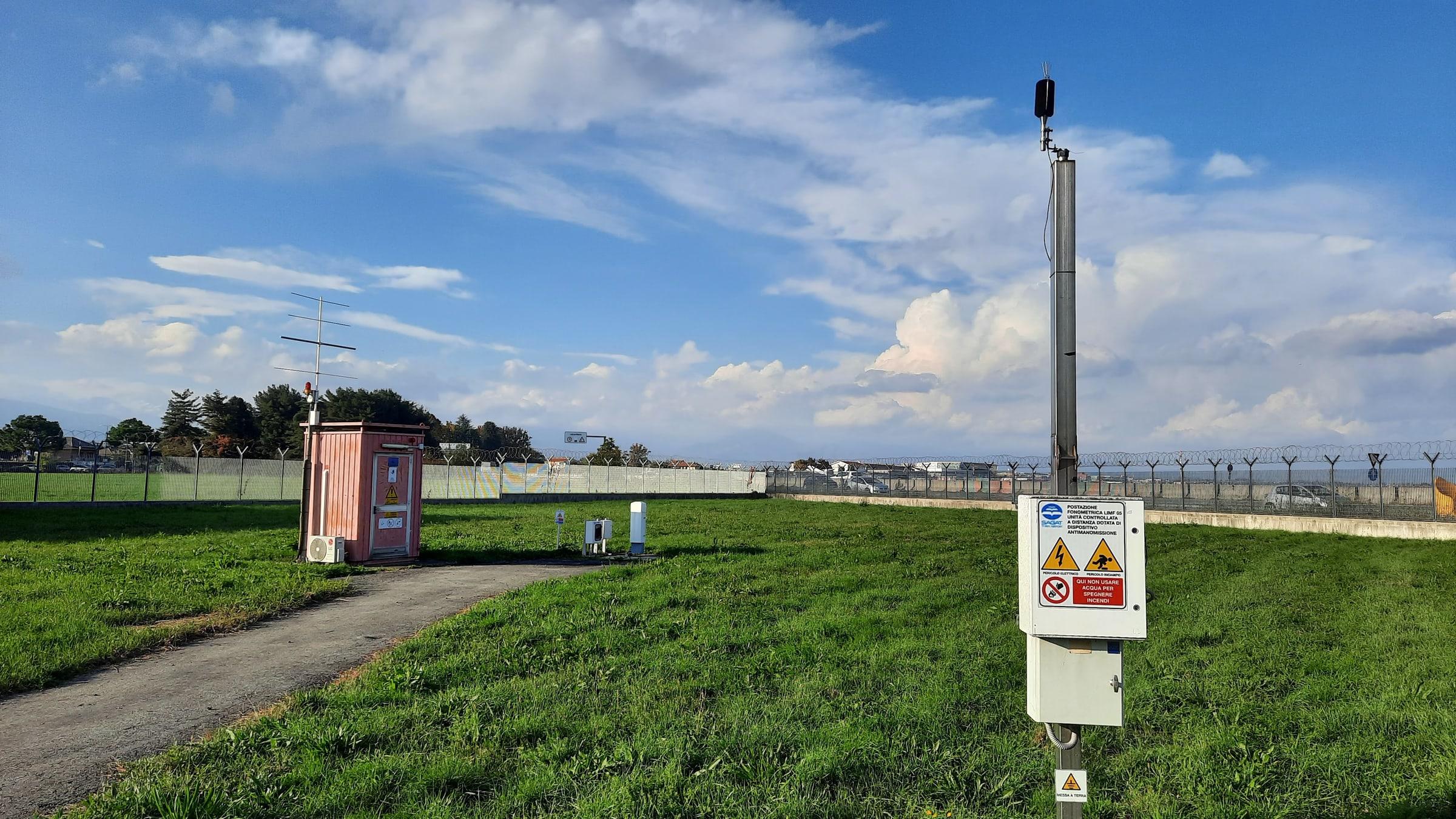
The work with SAGAT began with long-term noise monitoring of commercial traffic, in which measured sound exposure levels (SEL) were matched to radar flight tracks with the Noisync suite and compared with INM modelling under different conditions.
The service was then awarded to TT under three consecutive contracts. In each one TT organised the field measurements, collected the GIS and source data, produced the strategic noise map and ran the quality control of the map and of every deliverable. Part of the work was about people: TT trained airport staff in noise measurement and handled relations with local authorities.
TT also prepared the airport's action plan for the fifth round (Round 5) of the END.
The result
SAGAT entrusted TT, without interruption, with the noise monitoring and strategic noise mapping of its airport across several rounds of the Directive, and then with the Round 5 action plan. Airport staff have been trained in noise measurement. The last contract has ended.
The technical director's role
Under the three service contracts the technical director, RafDouglas C. Tommasi, P.E., PhD, was project manager and lead engineer, and team leader for the Round 5 action plan. The initial monitoring dates from the EHL Eng period, the company's former name, and was not under his responsibility.